

Understand Touchless Technology Beyond the Marketing Claims
Engineering-focused research on sensor performance, touchless faucet systems, commercial restroom technology, water efficiency, controls, installation, testing, and real-world operating conditions.
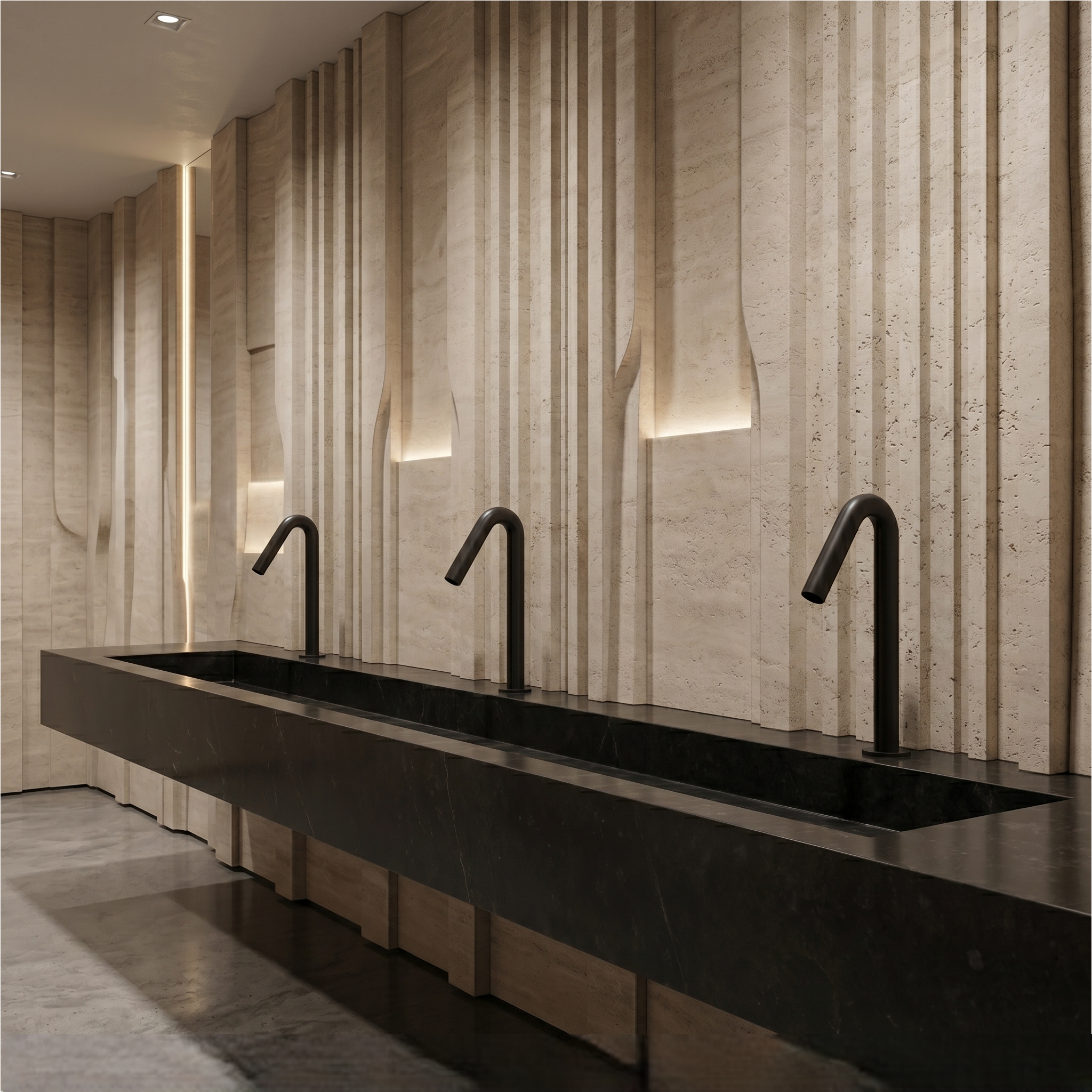
Detection range, response latency, false activation, environmental robustness and field conditions all matter.
Independent Analysis
Technical content is structured around system performance, research evidence and measurable characteristics rather than paid placement.
Traceable Information
Research, standards, technical documentation and attributable references are used to support important performance claims.
Performance Over Trends
Technologies are evaluated according to operational behavior, limitations and application suitability—not simply novelty.
Choose a Technical Path
Move directly into the area most relevant to your specification, research question, facility or project.
Sensor Technologies
Examine active infrared, PIR, ultrasonic, radar, millimeter-wave, Time-of-Flight and vision-based sensing approaches.
Study sensing methodsCommercial Restroom Systems
Explore flow, power, sensor behavior, basin coordination, service access and high-traffic restroom infrastructure.
Explore MEP planningTechnical Comparisons
Compare sensing strategies, fixture configurations, control methods and application trade-offs using a non-promotional framework.
Browse comparisonsStandards & Testing
Review measurement methodology, environmental variables, failure conditions, reporting practices and relevant standards.
View testing framework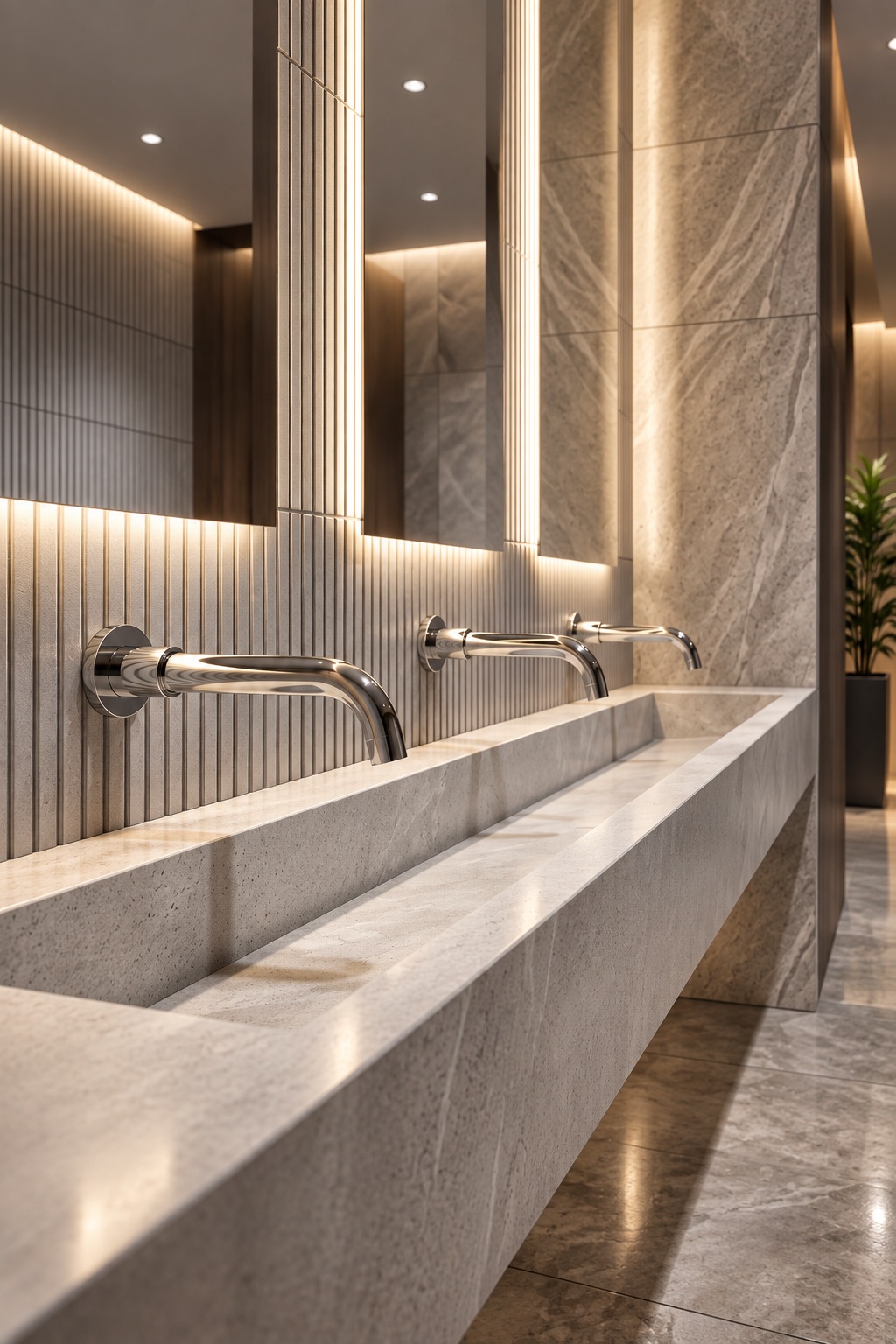
A Structured Framework for Evaluating Touchless Systems
A useful sensor study should explain not only what technology is present, but how reliably it performs, how it was tested and under which environmental conditions the results remain valid.
What Matters When Sensor Systems Are Compared
Sensor performance is the result of the complete system: sensing hardware, processing, mounting geometry, actuation, environmental conditions and maintenance requirements.
Review the full methodologyDetection
Detection distance, field of view, approach angle, stationary presence and target-position sensitivity.
Accuracy
Intended activations, missed activations, unintended triggers and multi-user interference behavior.
Environment
Ambient illumination, reflective surfaces, temperature, moisture, installation geometry and electromagnetic conditions.
System Integration
Controls, power architecture, valves, plumbing, actuation logic and response behavior are evaluated as an interconnected system.
Operations
Maintenance access, calibration, cleaning conditions, replacement requirements and long-term serviceability.
Research for the People Who Specify, Integrate and Maintain
SensorTouchless is structured as a technical reference rather than a conventional product showcase.
Latest Technical Reading
Engineering-focused articles addressing sensor systems, fixture performance and commercial touchless applications.

MEP Design Considerations for High-Traffic Touchless Restroom Systems
Flow, power, sensor accuracy, maintenance access, fixture durability and operational planning for demanding public facilities.
Read technical guide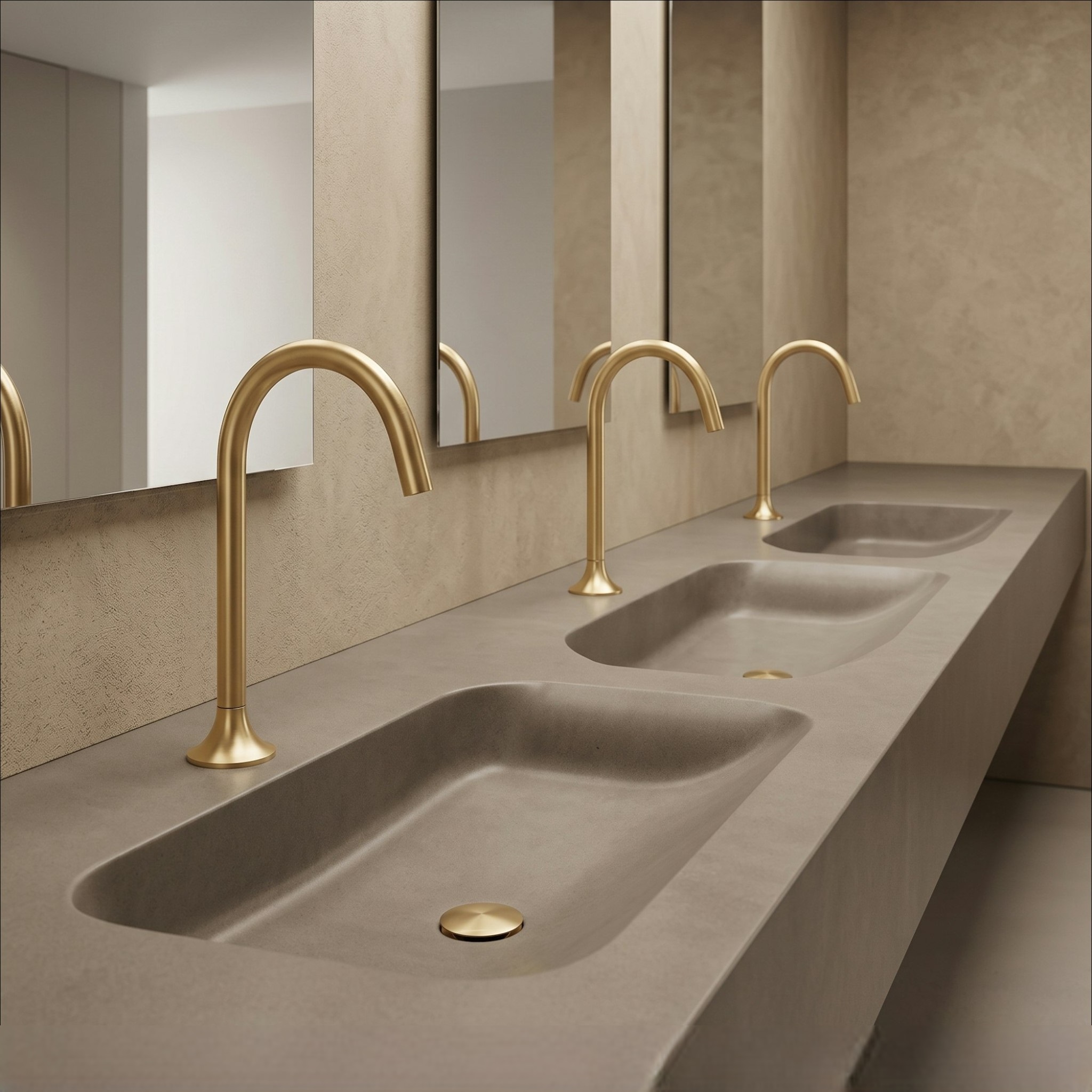
Architectural Touchless Faucet Systems and Advanced Sensor Performance
A closer look at touchless fixture design, commercial applications and Time-of-Flight sensing considerations.
Read analysis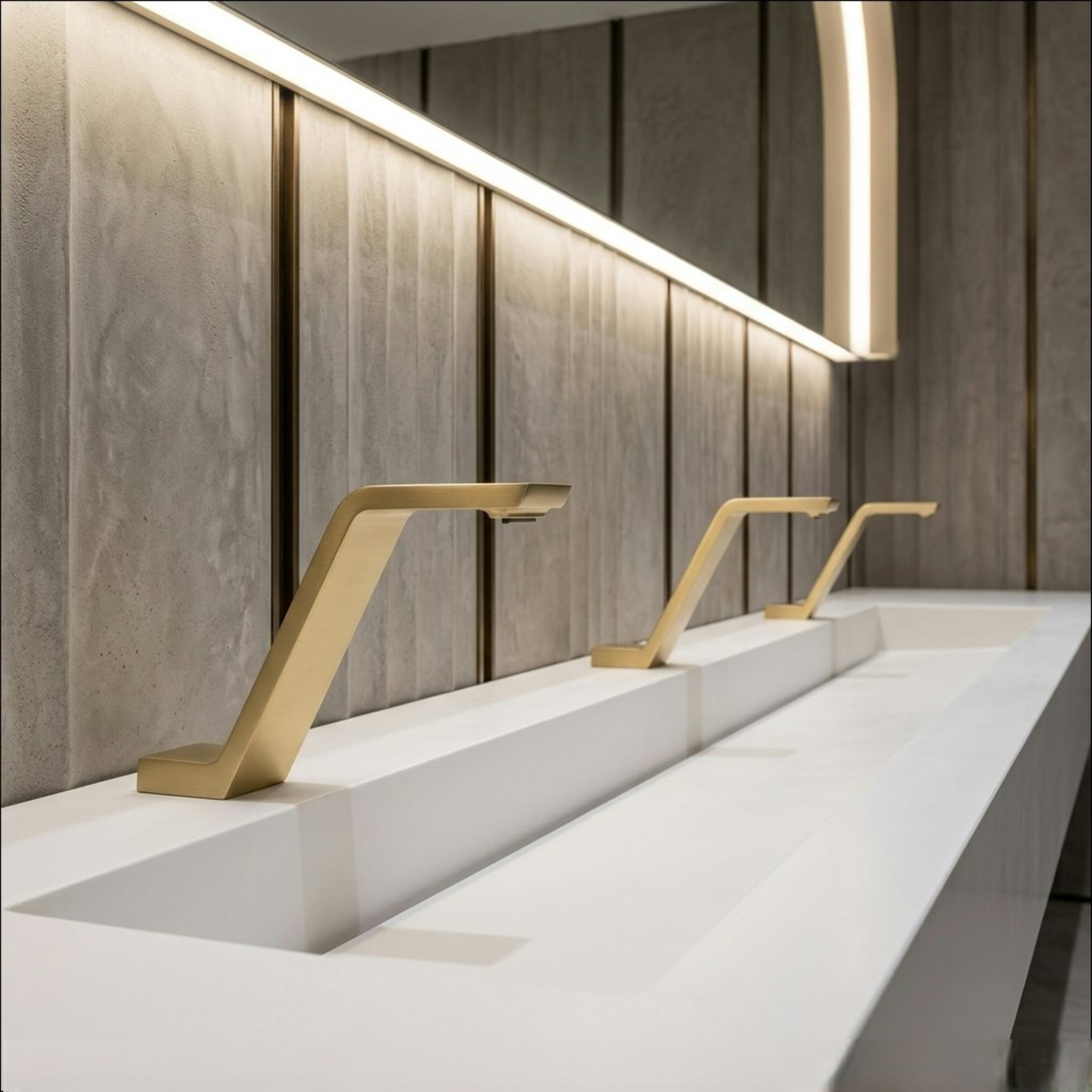
Sensor-Activated Faucet Systems for Commercial Applications
Technical considerations for touchless fixture selection across hospitality, workplace and high-traffic public environments.
Explore article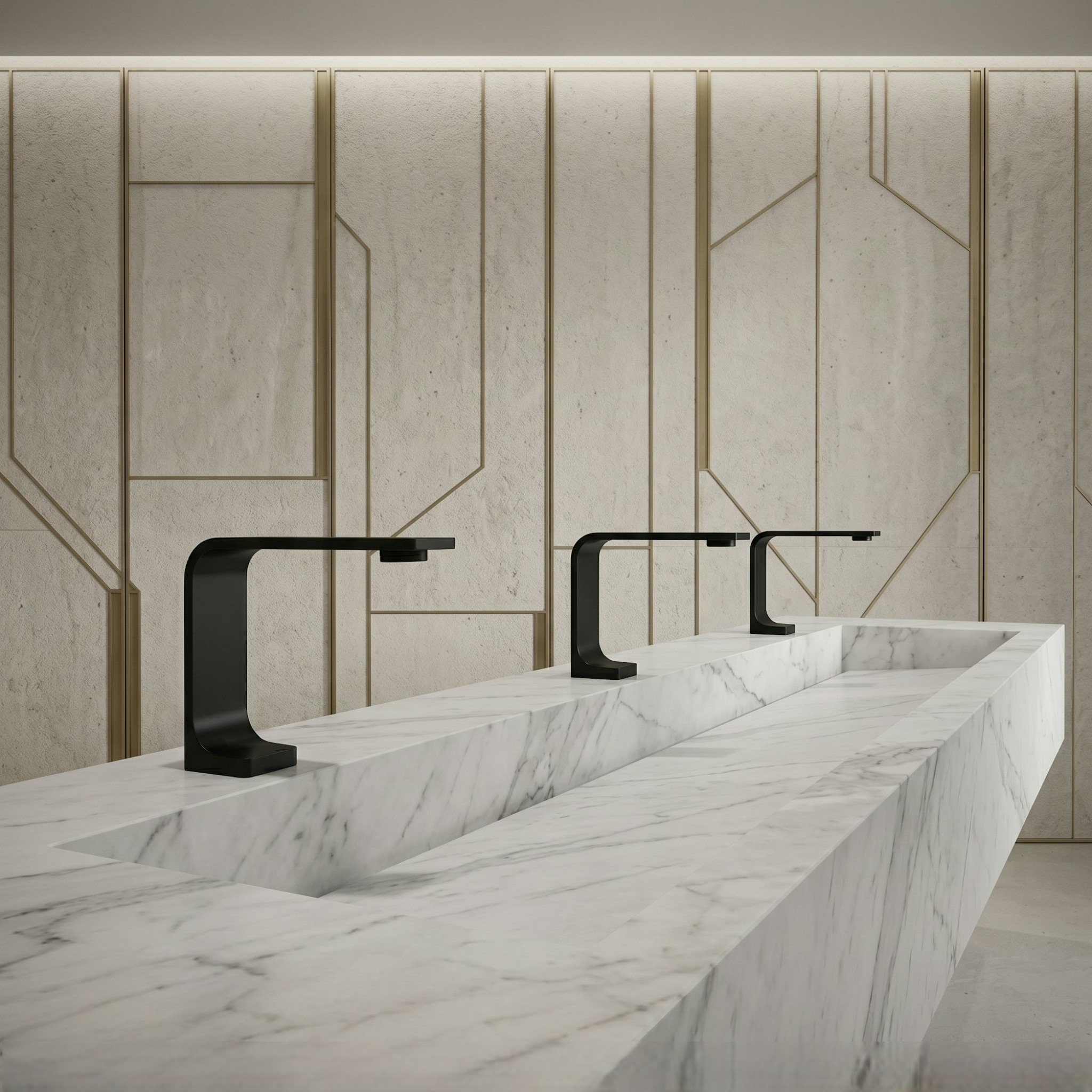
Clarity Before Conclusions
Touchless technologies should be evaluated according to measurable behavior and application constraints. A sensor that performs well in one installation may behave differently when geometry, materials, lighting, user approach or operating conditions change.
- Separate documented data from interpretation.
- Identify practical limitations rather than presenting technology as universally suitable.
- Compare sensing methods within the context of the actual application.
- Maintain source traceability where meaningful technical claims are made.
Need Technical Insight on a Sensor or Touchless System?
Explore the research library for technical guidance or contact SensorTouchless regarding research topics, technical references and relevant case-study material.